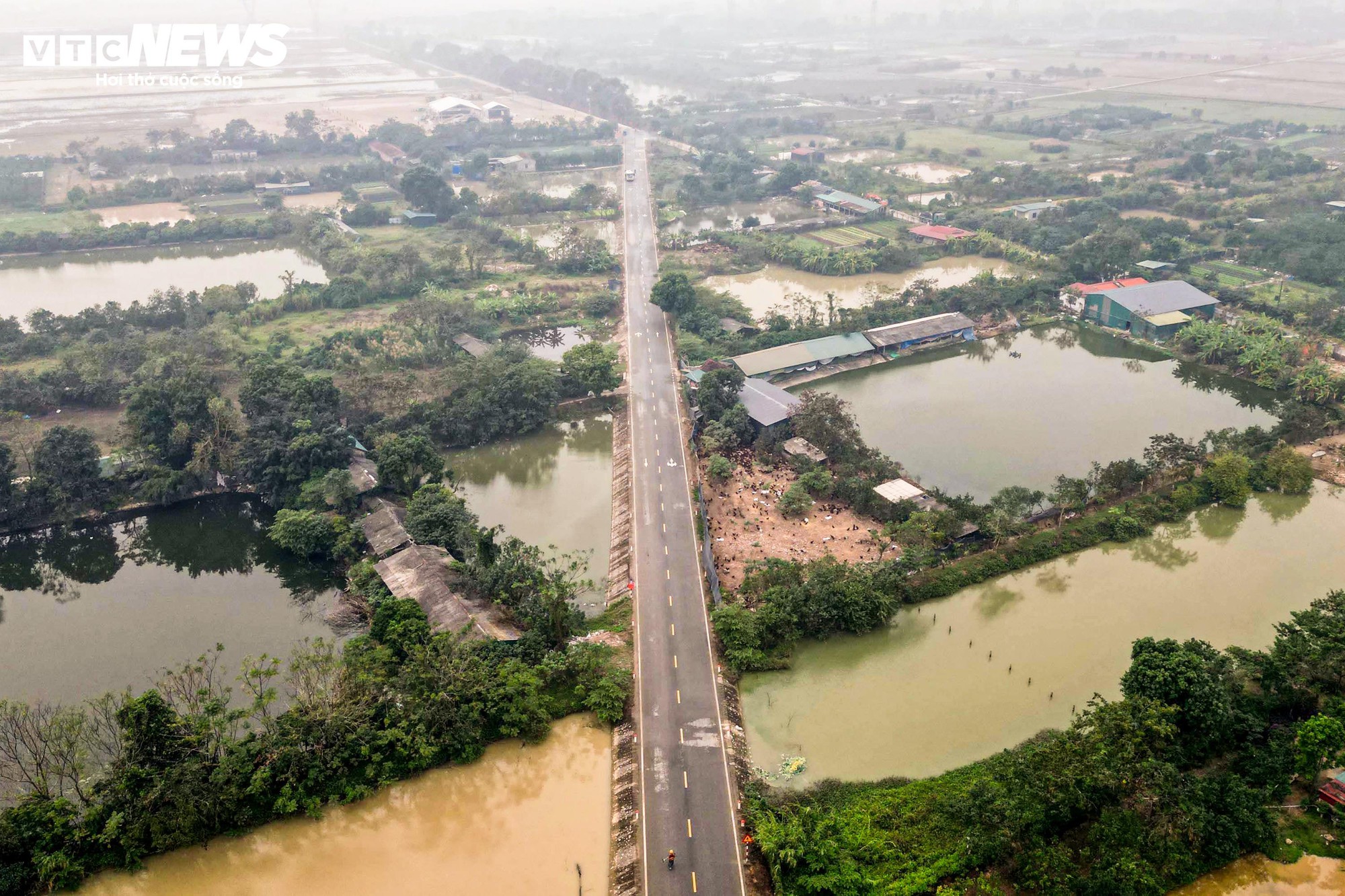
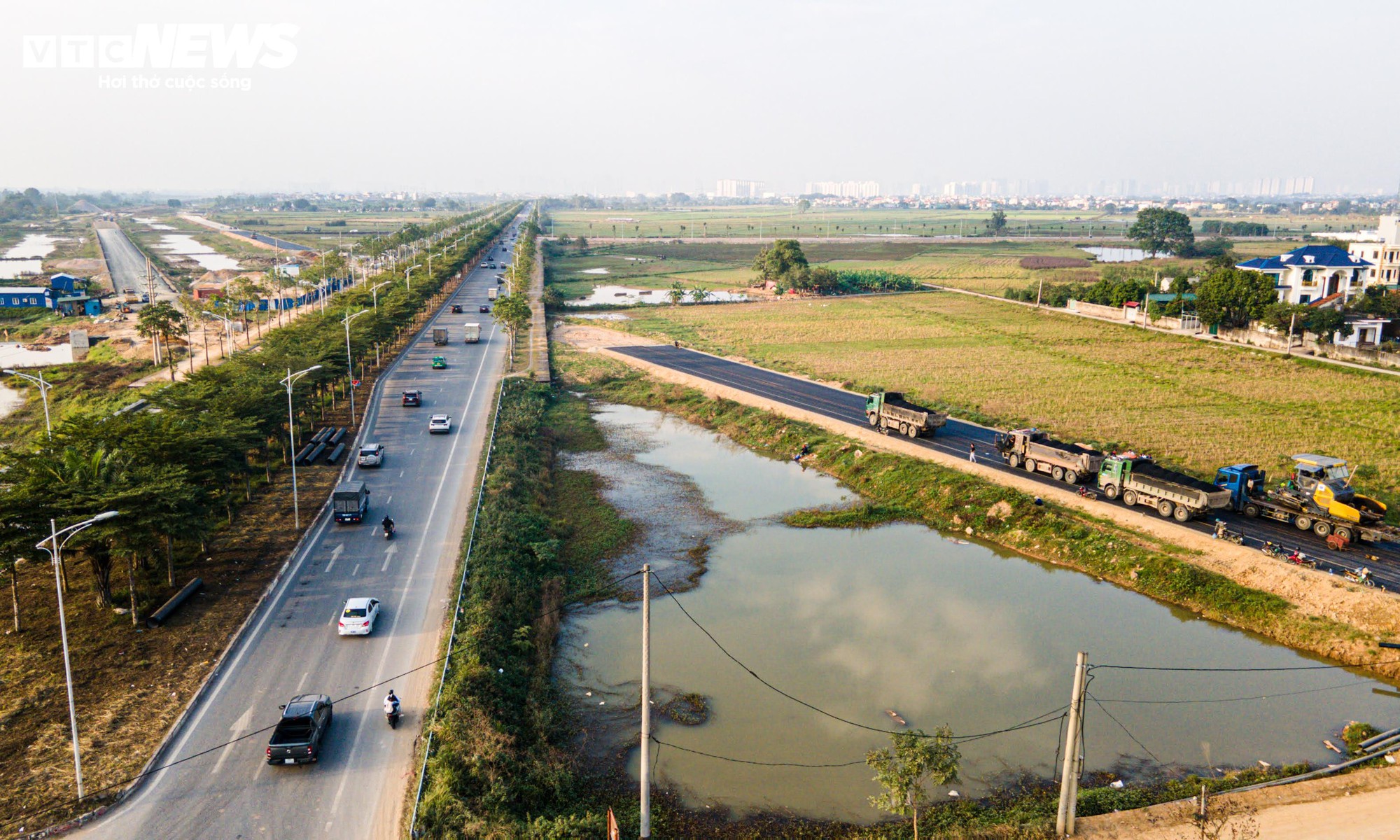
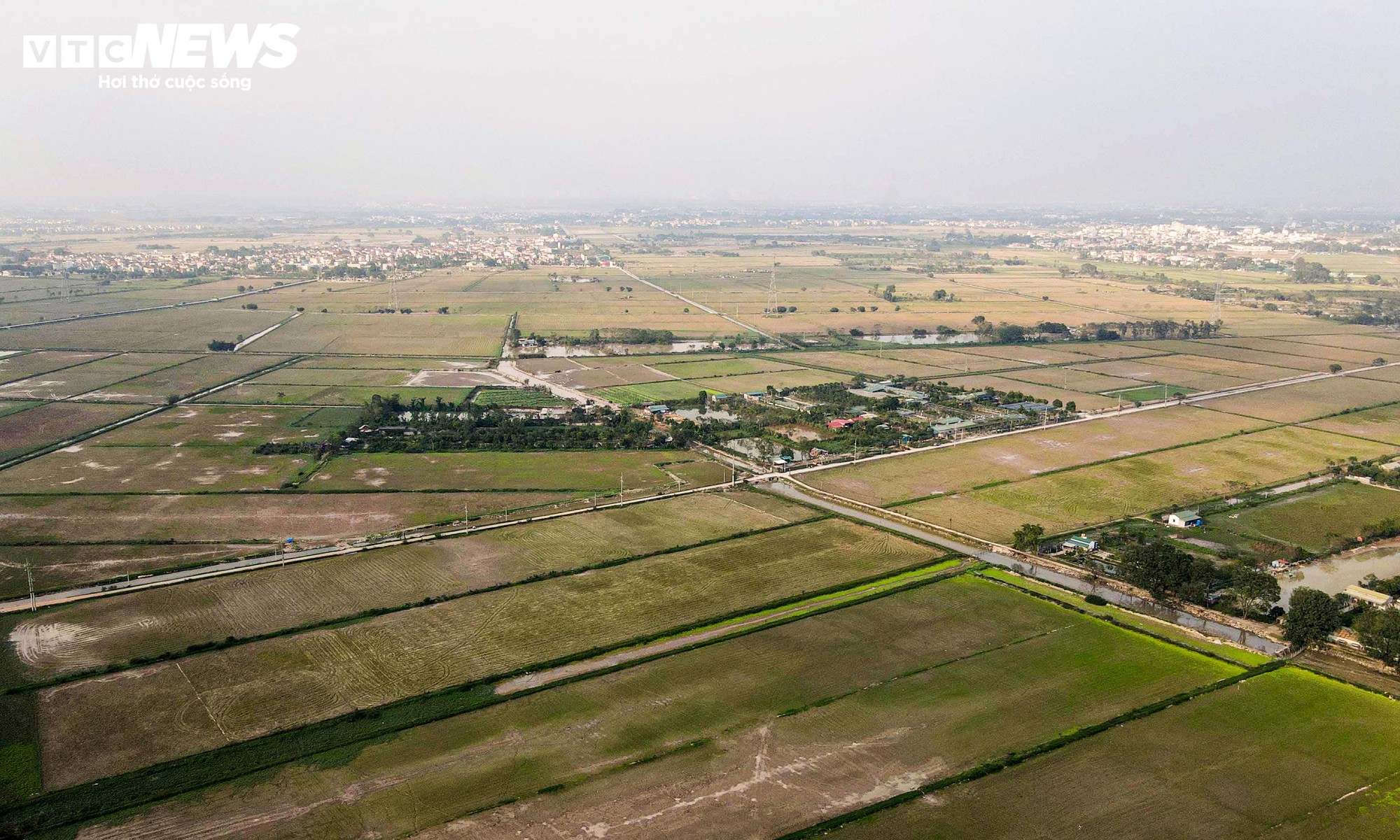
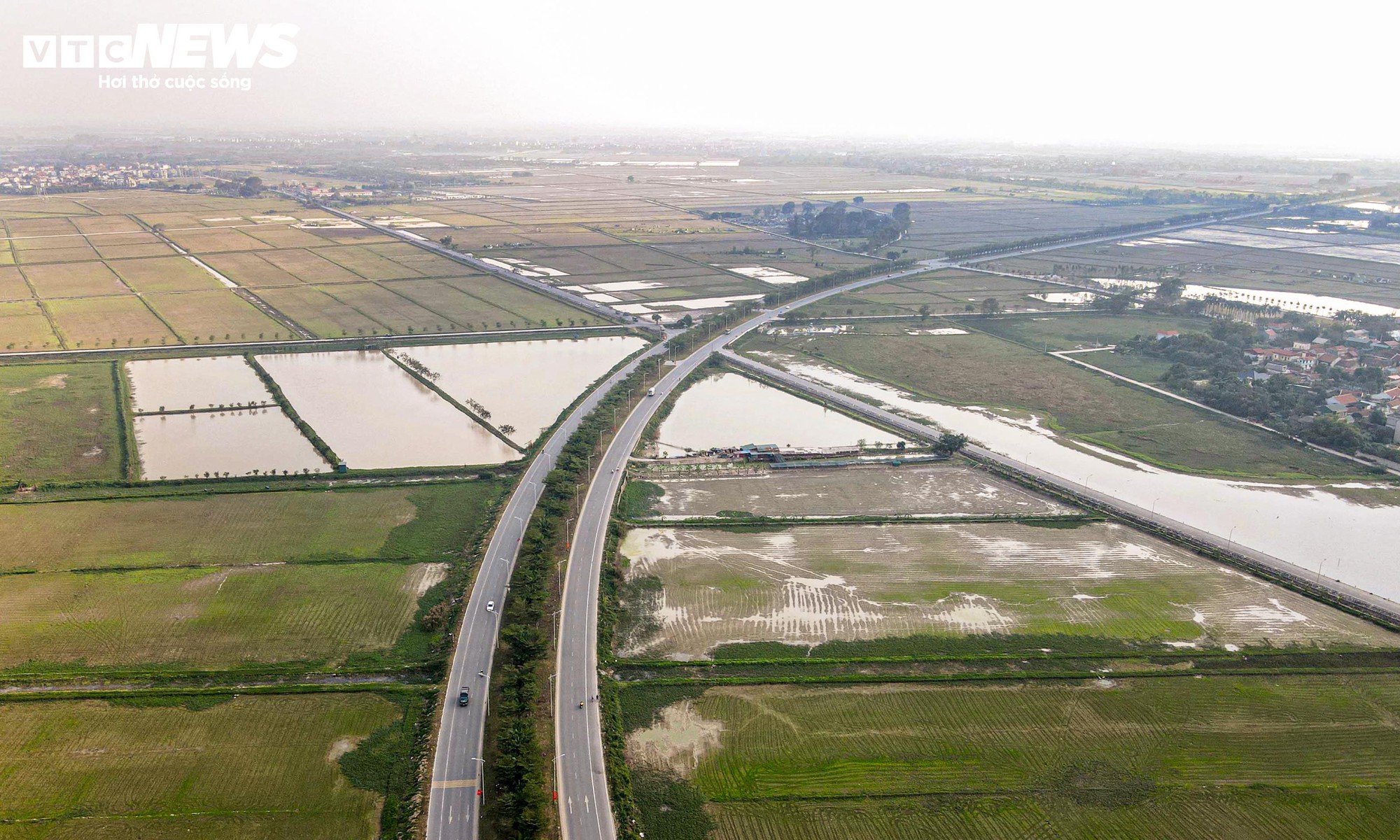
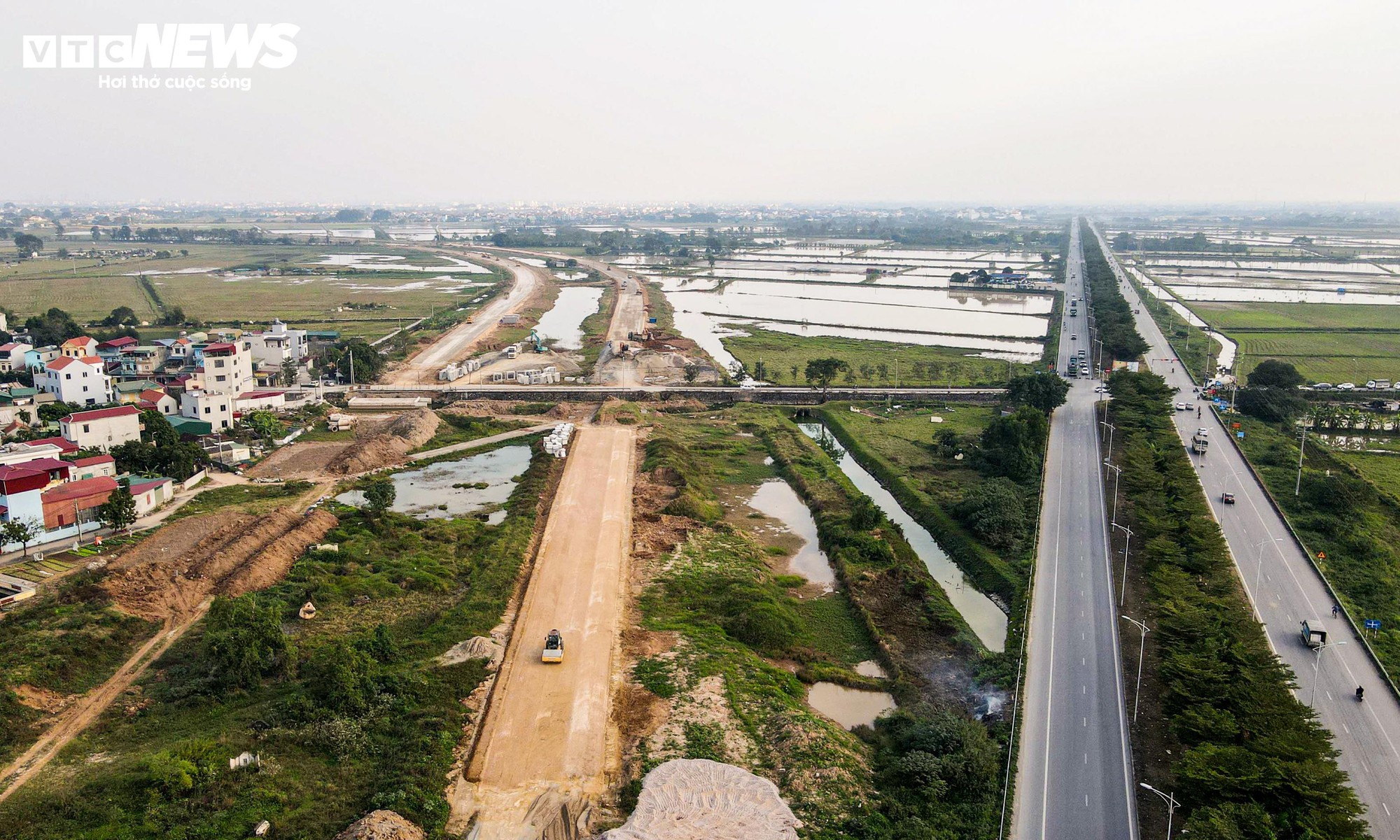
The Olympic Sports Urban Area project covers a total research area of over 9,000 hectares, located in 11 communes, with a preliminary total investment of approximately 925,651 billion VND.
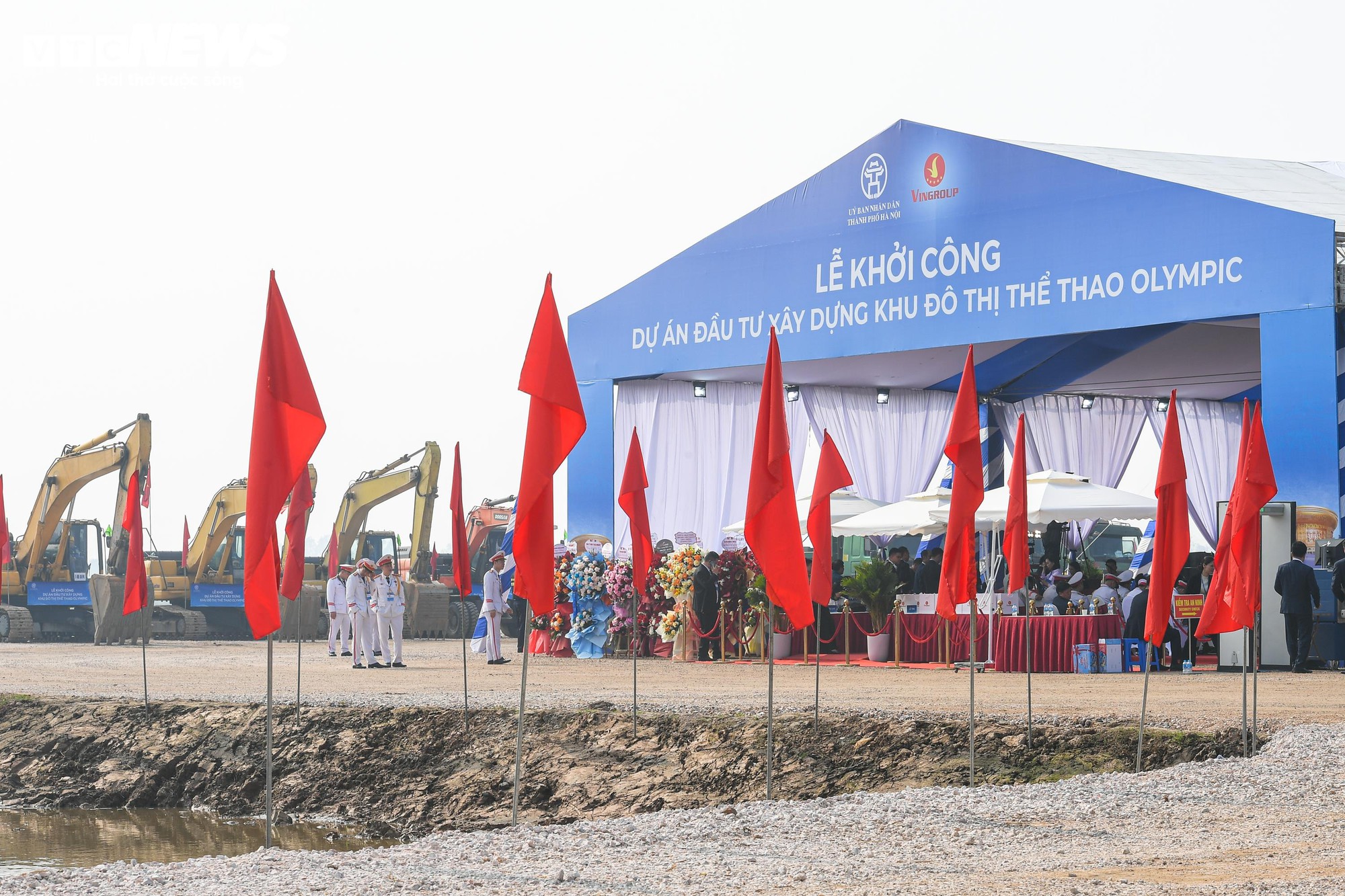
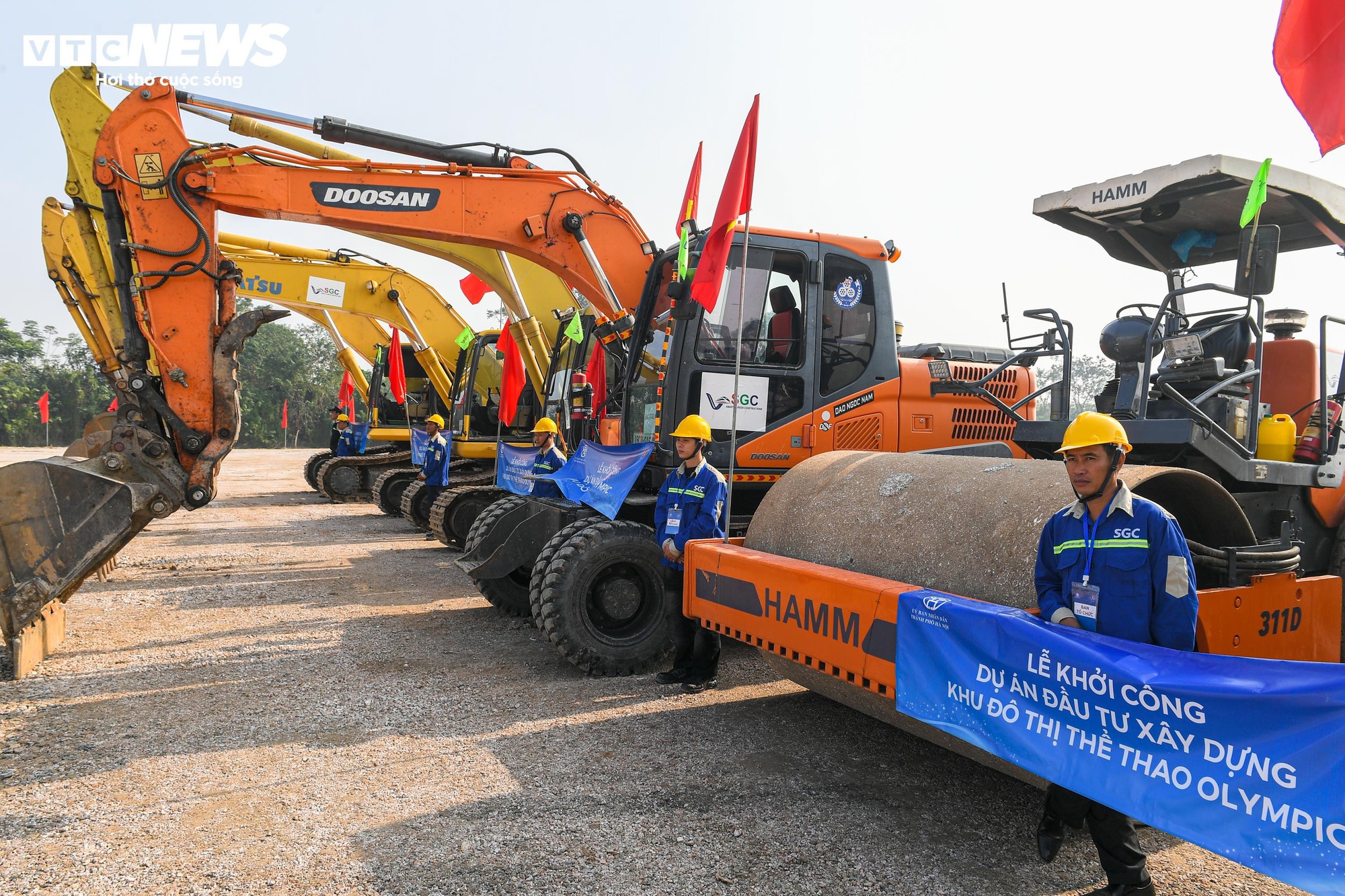
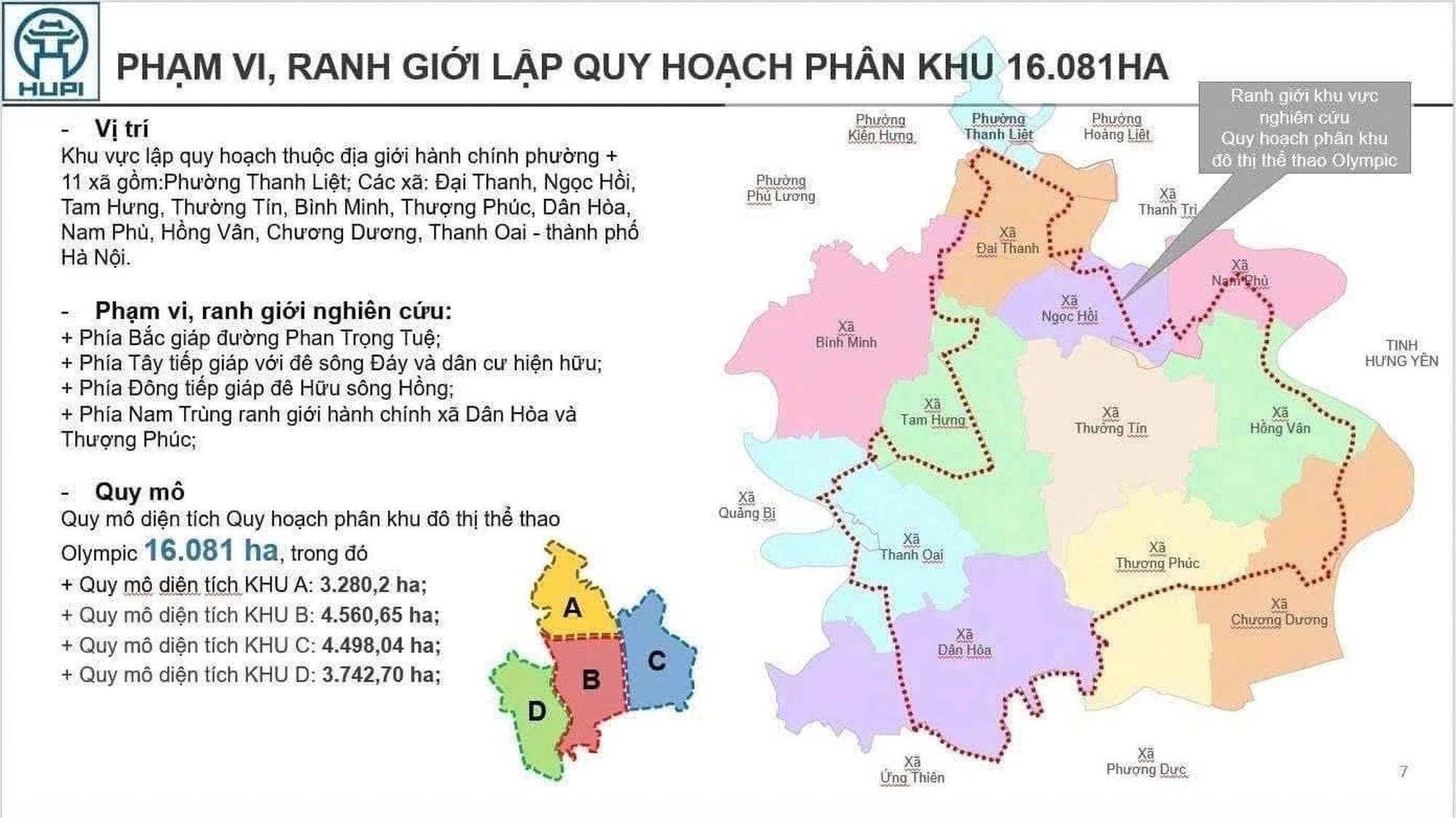
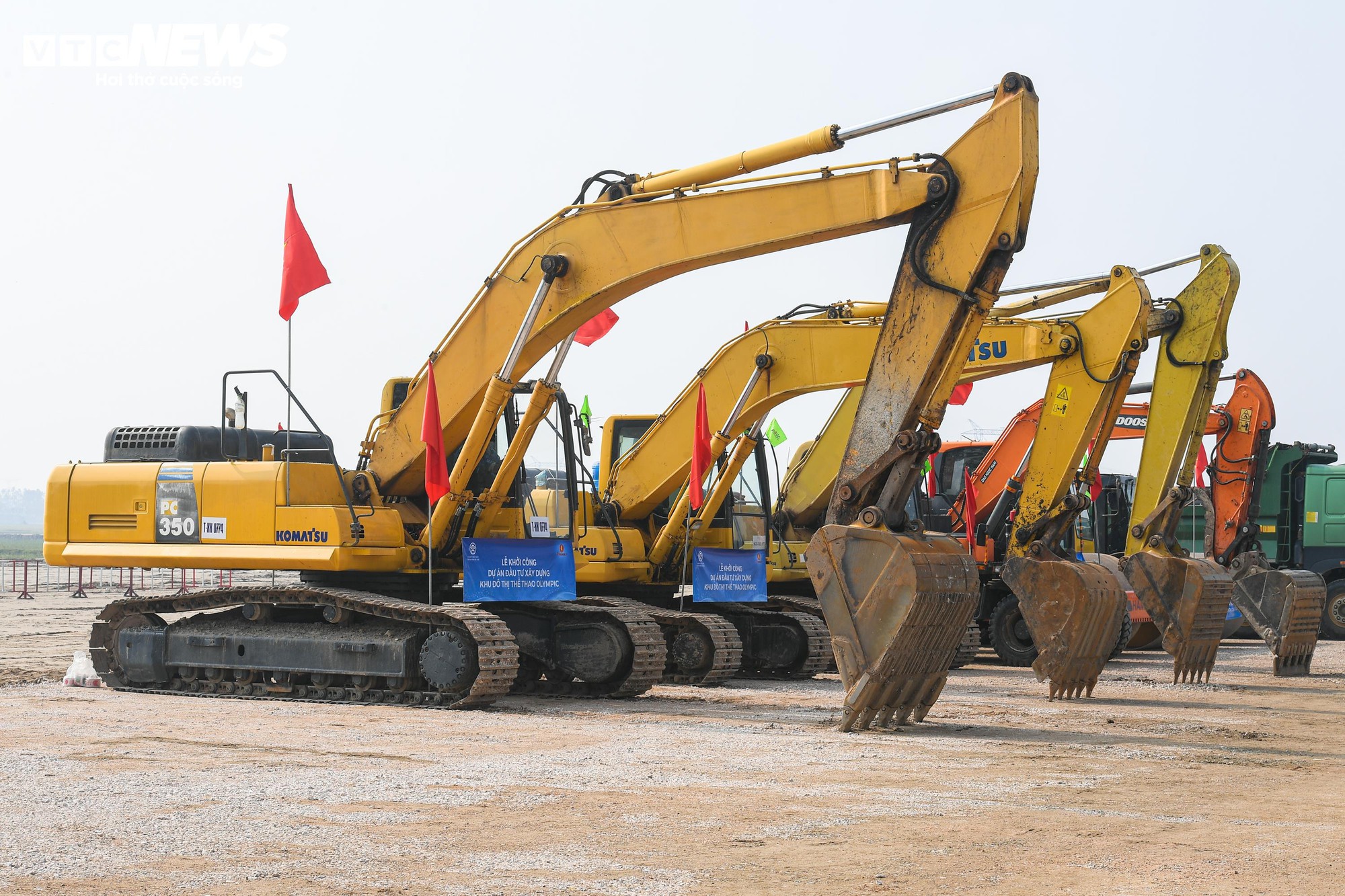
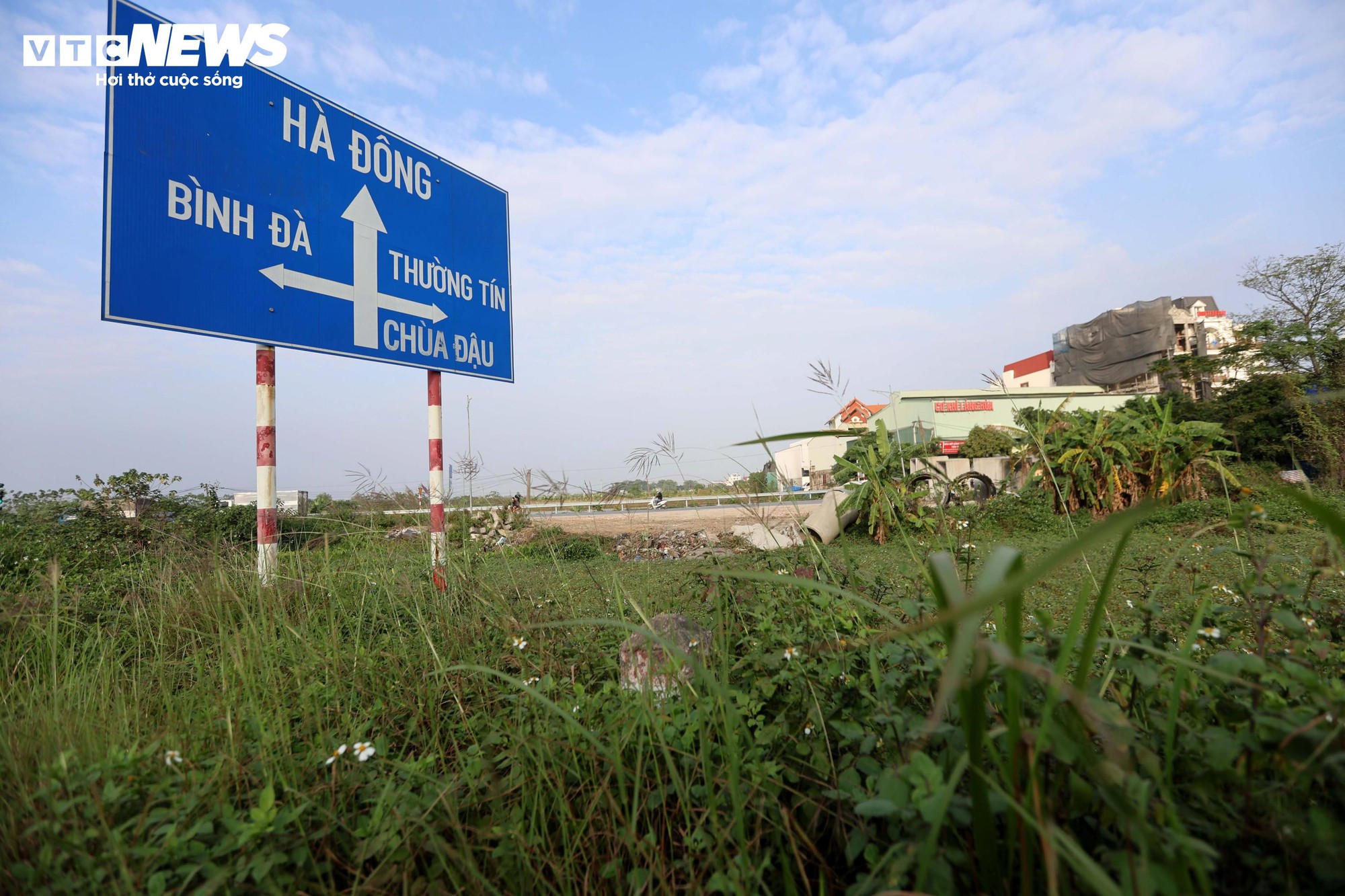
Recently, the groundbreaking ceremony for the Olympic Sports Urban Area project was held in subdivision B, in Thuong Phuc commune, Hanoi. This is the largest investment project among the 234 projects that commenced construction, were inaugurated, or had their technical openings today to celebrate the 14th National Congress of the Communist Party of Vietnam.In terms of planning, the Olympic sports urban area covers more than 9,171 hectares, located in 11 communes and wards, including: Dai Thanh, Ngoc Hoi, Nam Phu, Thuong Tin, Hong Van, Chuong Duong, Thuong Phuc, Binh Minh, Tam Hung, Thanh Oai, and Dan Hoa, and is divided into 4 sub-areas A, B, C, and D.Strategically located at the southern gateway of Hanoi, the Olympic Sports Urban Area is situated at the heart of the 3.5 and 4 ring roads, National Highway 1A, the Phap Van – Cau Gie Expressway, and especially adjacent to Ngoc Hoi Station, opening up a promising direction for the development of a sports urban area combined with modern public transportation. The image shows the planning area and boundaries of the Olympic Sports Urban Area, covering approximately 16,081 hectares. (Photo: Hanoi Institute of Construction Planning)Sub-project A includes the development of a new urban area based on the TOD (Transit-Oriented Development) model, taking into account its role as a transportation hub connecting and supporting the sports complex (an international-standard stadium) located in Zone B.
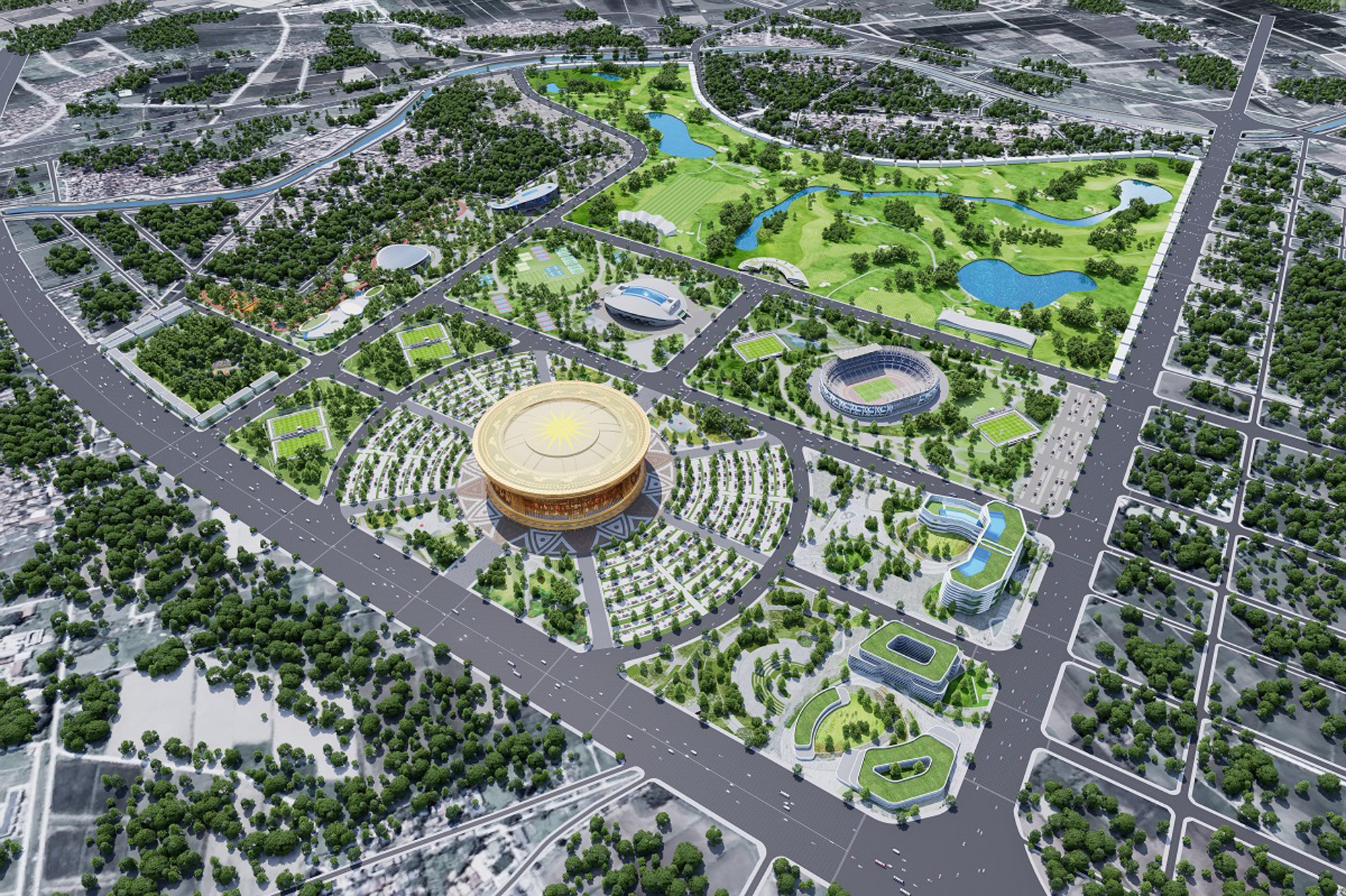
Sub-project B includes the development of a sports city and a service city connected to the sports complex. This already includes the initial independent sub-project (investment in the construction of a parking lot for the sports complex in sub-project B) to facilitate the commencement of construction.
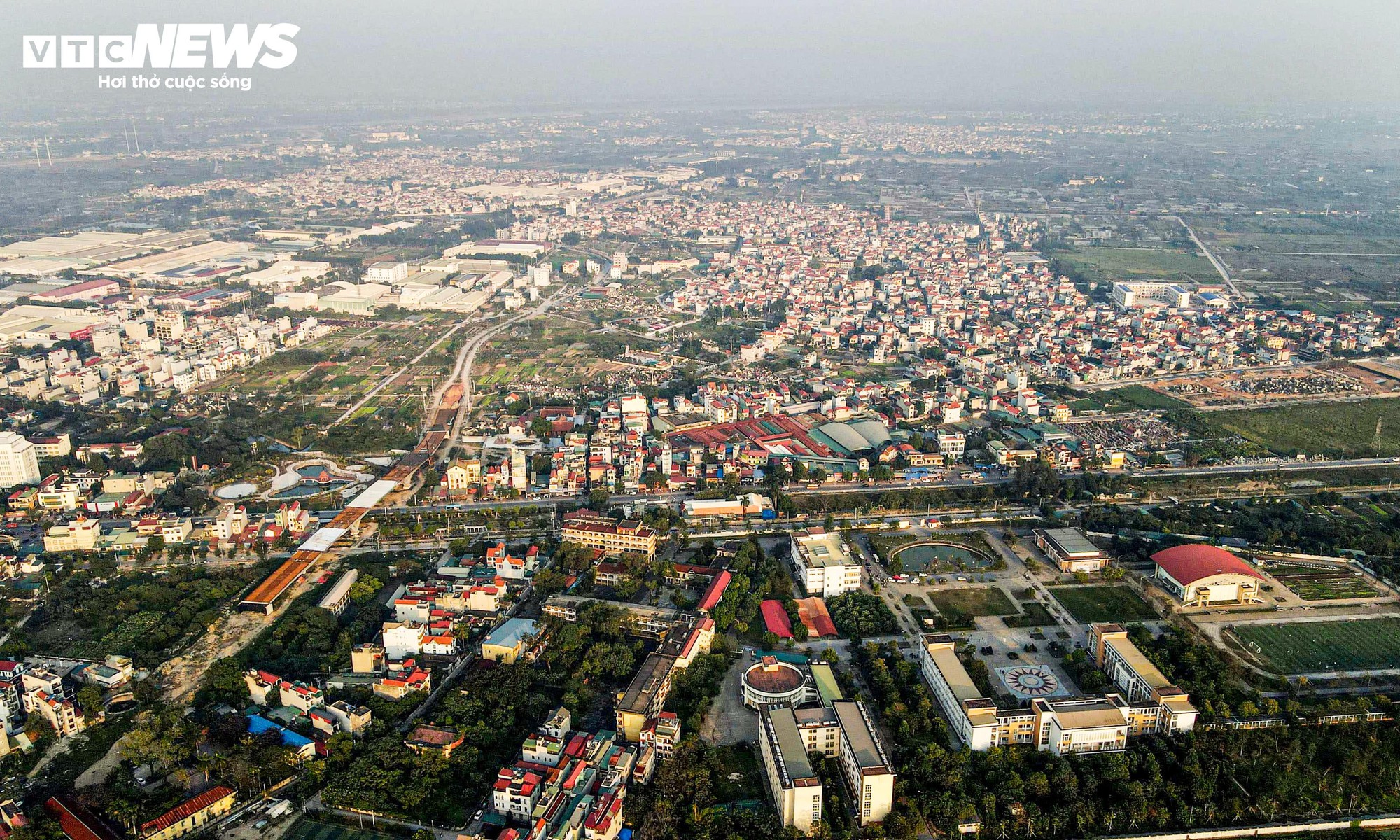
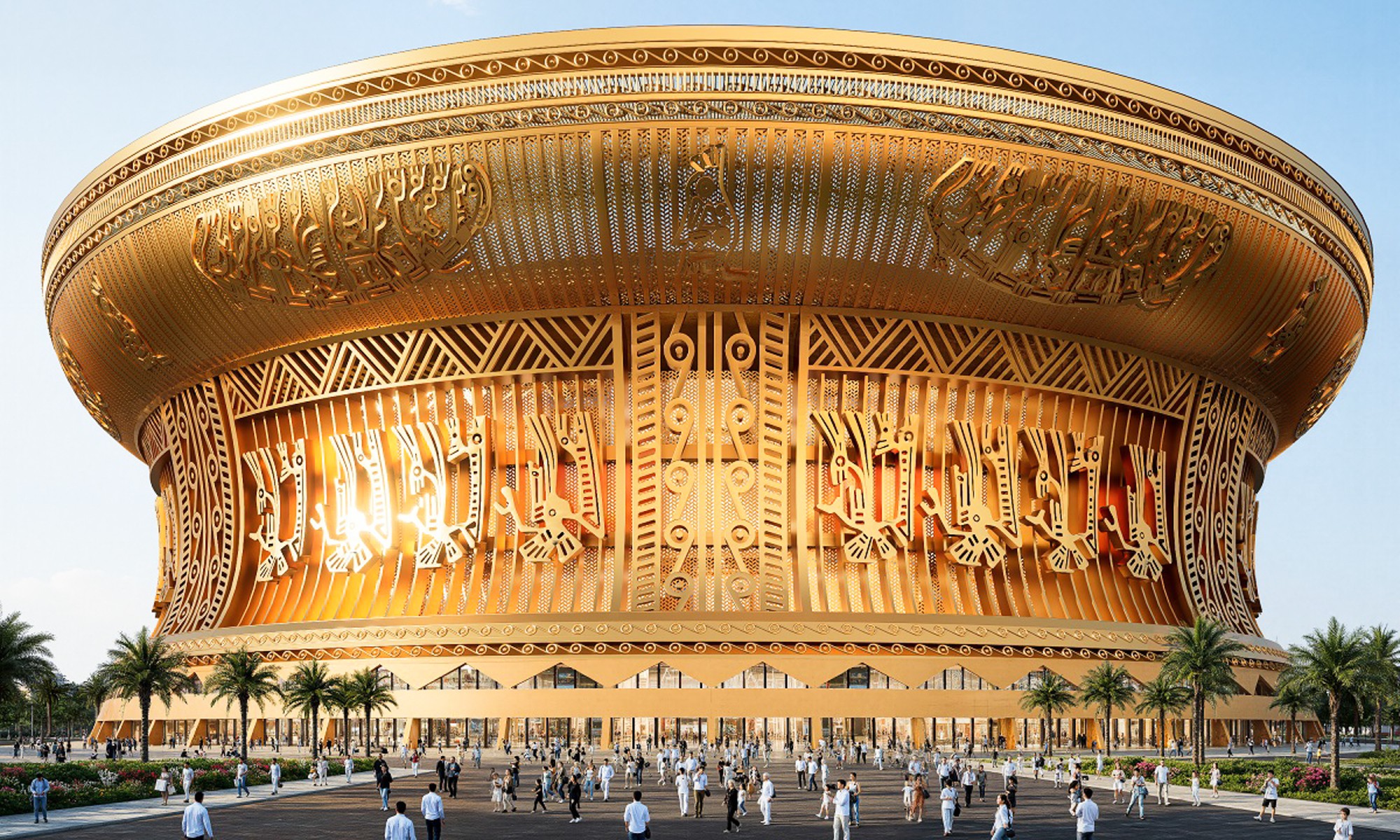
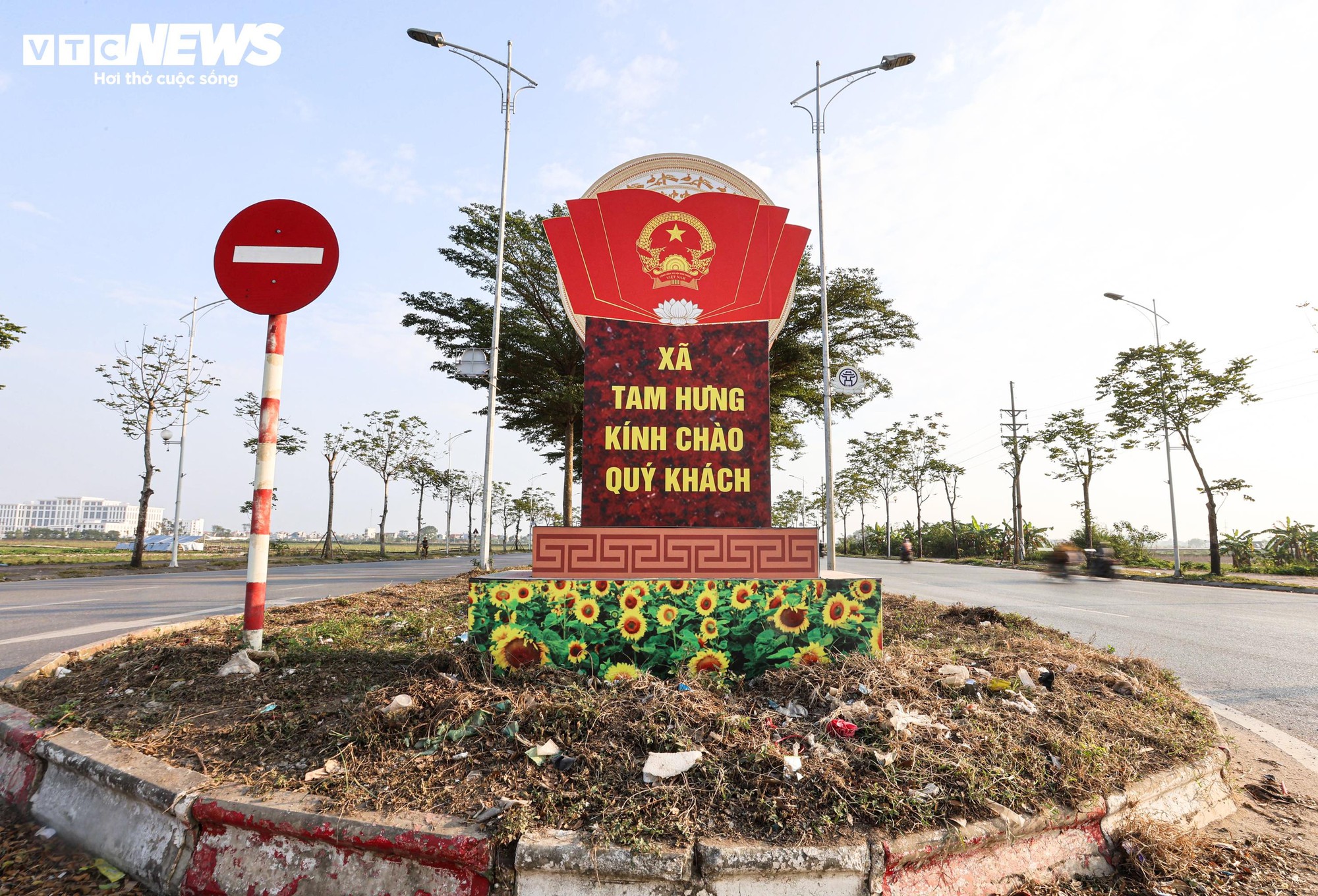
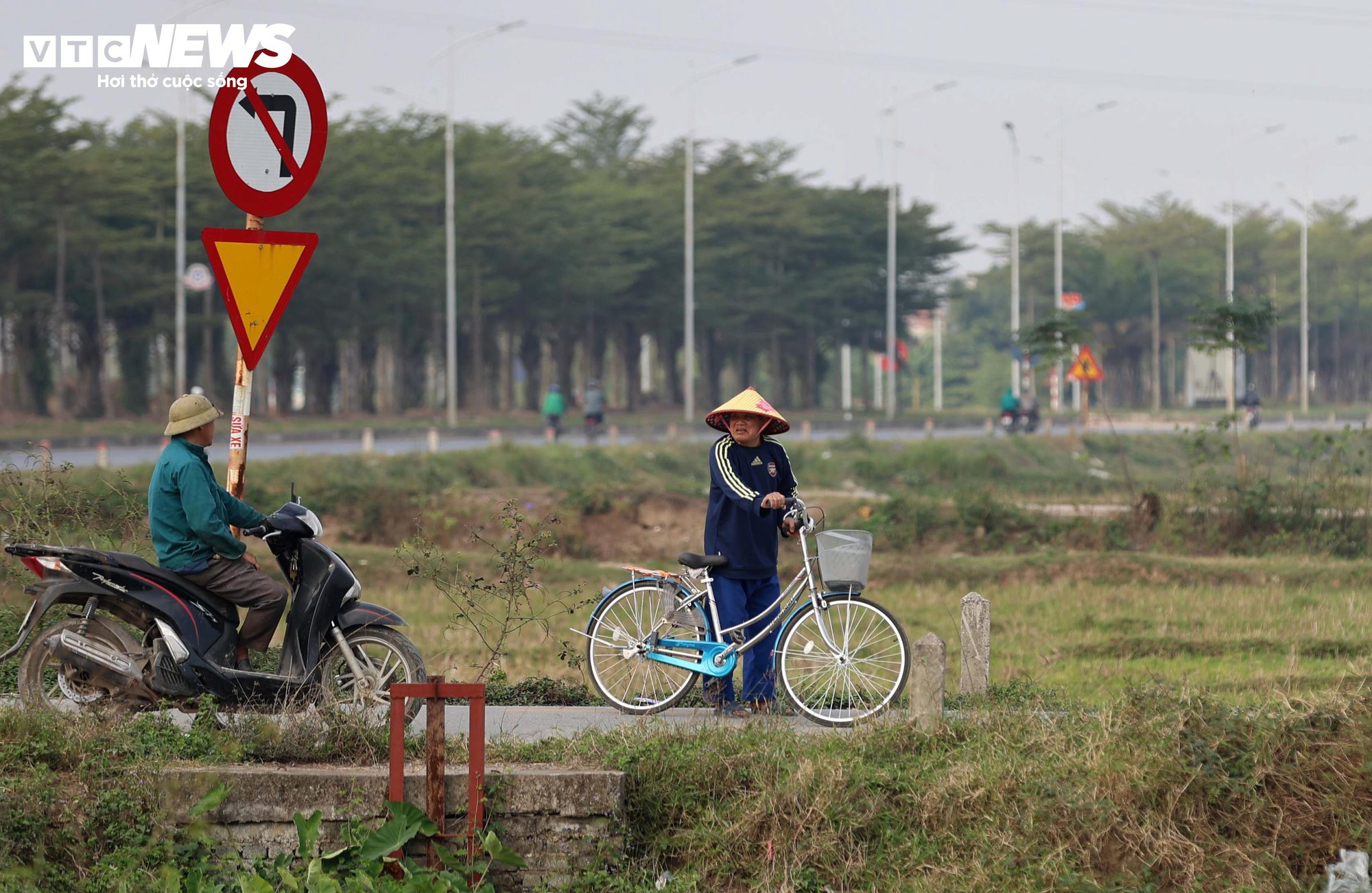
The centerpiece of Zone B is the Trong Dong Stadium, with a capacity of up to 135,000 seats, envisioned as an iconic structure inspired by the Dong Son bronze drums and the image of the Lac bird.If completed on this scale, Trong Dong Stadium will be the world’s largest stadium by area. In Vietnam, the largest stadium remains My Dinh Stadium with approximately 40,000 seats. Last October, the Ministry of Public Security commenced construction of the PVF Stadium in Hung Yen, with a capacity of 60,000 seats on an area of 5.5 hectares. Vinhomes is the main contractor for the project. Trong Dong Stadium is expected to be completed in August 2028.Besides the Trong Dong Stadium, Zone B of the Olympic Sports City also includes other large-scale facilities such as the Global Aquatic Arena, the Vietnam Sports Tower, and the E-Sports Super Arena. A large portion of the project area is currently agricultural land belonging to local residents, primarily used for growing crops and short-term plants.Tam Hung commune is one of four communes included in the Olympic Sports Urban Planning Zone – Zone B, alongside Thuong Tin, Thuong Phuc, and Dan Hoa communes.
This is a key area for the development of a sports city and a service city connected to the sports complex.
The Olympic Sports Urban Area Planning – Zone C (Ngoc Hoi, Nam Phu, Hong Van, Chuong Duong, Thuong Phuc, and Thuong Tin communes) covers an area of approximately 4,498 hectares, with a population of 280,000 people.Zone C is oriented towards development according to the model of a sports city and a service city to connect with and support the Sports Complex (international-class stadium).The Olympic Sports Urban Area Planning – Zone D (covering Thanh Oai, Tam Hung, and Dan Hoa communes) covers an area of approximately 3,743 hectares and is projected to have a population of 275,000 people.Zone D is planned to develop into a sports and service urban area connected to the sports complex.According to the investor’s calculations, the Olympic Sports City will have a population of approximately 751,000 people. Regarding the implementation schedule, the sports complex and stadium are expected to be completed in Q2 2030, and the entire project completed in 2035. The investment goal of the Olympic Sports City project is to be qualified to host major continental and international sporting events such as the Asian Games (ASIAD) and the Olympic Games.