
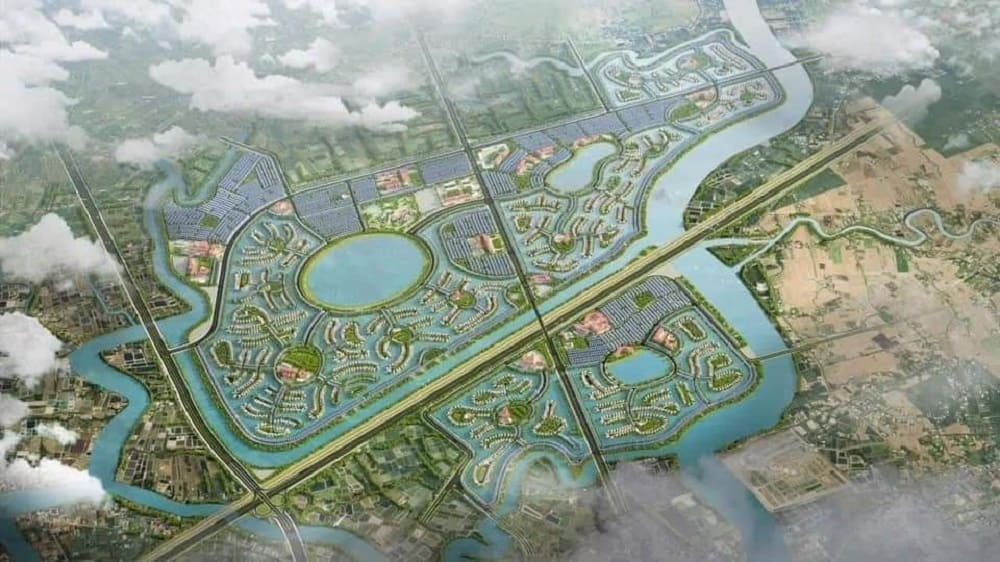
Vinhomes Phuoc Vinh Tay is a high-class urban development project developed by Vingroup, located in Phuoc Vinh Tay commune, Can Giuoc district, Long An province – right at the southern gateway to Ho Chi Minh City. Overview of Vinhomes Phuoc Vinh Tay project: With a scale of 1,089 hectares , the project, upon completion, will supply more than 30,000 high-end apartments, shophouses, and villas to the market. Oriented towards a modern urban model with integrated amenities and green living spaces, the project promises to become a new symbol of Long An real estate.
The Vinhomes Phuoc Vinh Tay mega -project, located in Can Giuoc district, Long An province, is gradually realizing the vision of a modern and livable satellite city. With an impressive scale of over 1,089 hectares, the project not only boasts a strategic location with easy access to Ho Chi Minh City but is also envisioned as a “city within a city” with a world-class ecosystem of amenities.
Vinhomes Phuoc Vinh Tay is a comprehensively planned project integrating diverse product types from villas and townhouses to apartments, meeting all residential and investment needs. The project stands out with its 5-star resort-standard internal amenities, including a Vincom shopping mall, Vinschool education system, Vinmec healthcare, as well as green parks, landscaped lakes, and a multi-purpose sports complex. All of this aims to provide residents with a convenient, healthy, and sustainable lifestyle.
Location of Vinhomes Phuoc Vinh Tay project
Located just about 25km from Ho Chi Minh City, Vinhomes Phuoc Vinh Tay is a top choice for many customers seeking a place to live with convenient transportation and quick access to the city center. It ensures all the needs for work, study, and entertainment for future residents are met.
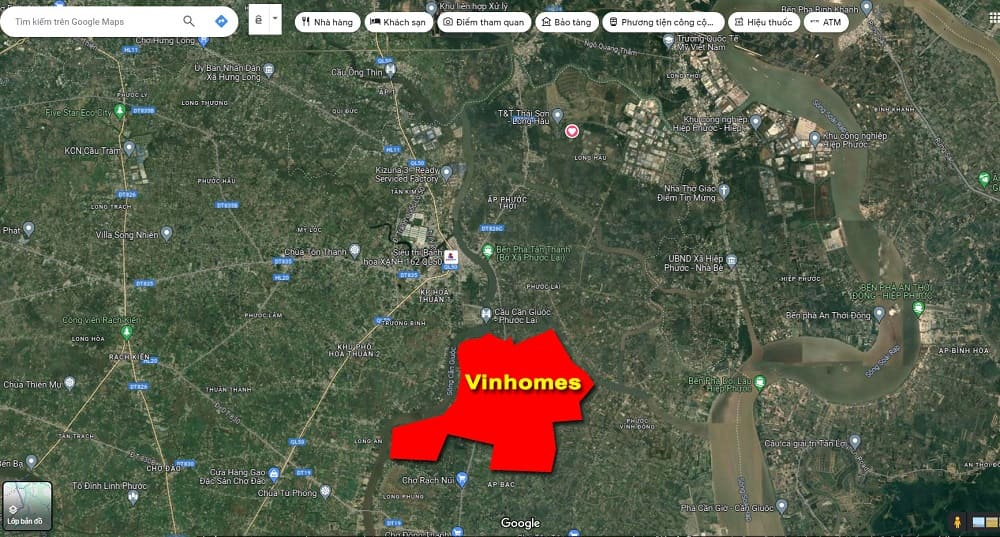
Location of Vinhomes Phuoc Vinh Tay project
The Vinhomes Phước Vĩnh Tây project is located in Phước Vĩnh Tây commune, Cần Giuộc district, Long An province. Surrounded by the Cần Giuộc River and Rạch Ván River, the project enjoys fresh, cool air, perfectly aligning with the modern lifestyle many people aspire to. Adjacent areas:
To the west: Bordered by the Can Giuoc River.
North: Bordering Rach Van River, Phuoc Lai Commune
South: Bordering Phuoc Vinh Tay residential area, parts of Long Phung commune and Dong Thanh commune.
East: Bordering Phuoc Vinh Tay residential area and part of Phuoc Vinh Dong commune.
Not only does Vinhomes Phuoc Vinh Tay boast a prime location, but it is also situated in a long-established, well-developed area with complete infrastructure to support daily life. With just a few steps, you can quickly access high-quality external amenities such as:
- Education: Huong Duong Kindergarten, Hoa Sen Kindergarten, Tran Thi Buoi Primary School, Nguyen Van Troi Secondary School, Can Giuoc Secondary School, Can Giuoc High School…
- Healthcare: Can Giuoc General Hospital, Phuoc Vinh Tay Health Station, FV International Hospital.
- Commercial services: Can Giuoc Market, Long Thuong Market, Coopmart Can Giuoc, Bach Hoa Xanh supermarket.
- Entertainment services: Can Giuoc Cultural and Sports Center, mini football field, Ton Thanh Pagoda, Kids House, Sun Kids…
Infrastructure surrounding Vinhomes Phuoc Vinh Tay
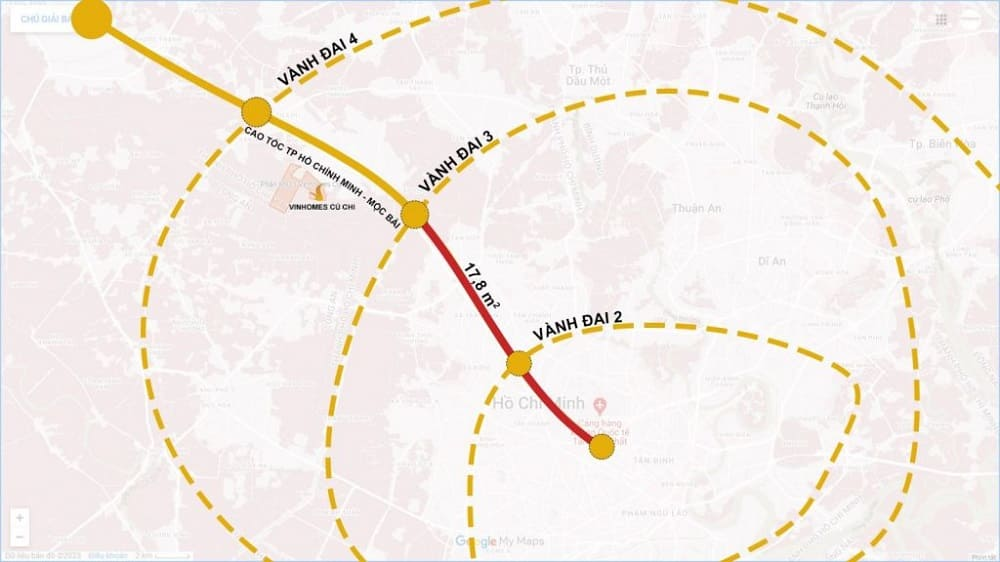
Long An Province is located in the southern part of Ho Chi Minh City and boasts convenient transportation infrastructure. Residents can use the following routes to access the city center or neighboring provinces and cities in the same region:
- Ho Chi Minh City Ring Road 4 (Provincial Road 830E): This road runs through the project area, facilitating travel to provinces within the Southern key economic region.
- Ben Luc – Long Thanh Expressway: Providing quick access to the Mekong Delta provinces and the eastern region of Ho Chi Minh City.
- Provincial Road 826C: Helps connect the internal area with surrounding areas.
Outstanding amenities of the Vinhomes Phuoc Vinh Tay project
An all-in-one, self-contained ecosystem is the goal of every real estate project developed by Vingroup. Vinhomes Phuoc Vinh Tay is no exception, offering a diverse range of high-quality amenities to meet the needs of daily life, entertainment, education, and health and fitness. Combined with abundant green spaces, this creates a relaxed, peaceful, and high-quality living environment.
- Vinmec International Hospital
- Vinschool K-12 School
- Shopping malls, restaurants, and cafes.
- Indoor and outdoor children’s playgrounds promote holistic physical and intellectual development.
- The security system ensures absolute safety with access cards for entering and exiting the residential area, cameras, and 24/7 security guards.
- The gym and yoga studio are equipped with many modern facilities to meet the needs of those who want to improve their health.
- The infinity pool features a separate mini-pool for young residents, along with sun loungers and a relaxing massage area.
- The theme park, with its variety of colorful trees and flowers, creates a refreshing atmosphere.
- Meditation garden, outdoor multi-purpose sports area…